
Types of Fences and What They Say About Your Property
March 9, 2026
Fences are more than just boundary markers—they are a reflection of a property’s personality, functionality, and aesthetic appeal. The type of fence chosen for a home or commercial property communicates subtle messages to visitors, neighbors, and potential buyers. A well-designed fence can convey elegance, security, privacy, or openness, making it a crucial component in property planning and landscaping. In addition to its visual appeal, a fence also serves practical purposes such as safety, security, and property value enhancement, making its selection a strategic decision rather than merely decorative.
Understanding the different types of fences and their implications is vital for property owners, architects, and landscape designers. From classic wood designs to modern metal structures, each fence type carries unique characteristics that influence perception and functionality. Factors such as material, height, style, and maintenance requirements can drastically affect how a property is viewed and utilized. By exploring the various fencing options, property owners can make informed decisions that balance style, security, and sustainability. This article delves into the most common types of fences and what they reveal about a property, offering actionable insights for anyone considering fencing solutions.
1. Wood Fences: Tradition Meets Versatility
- Styles and Materials:-
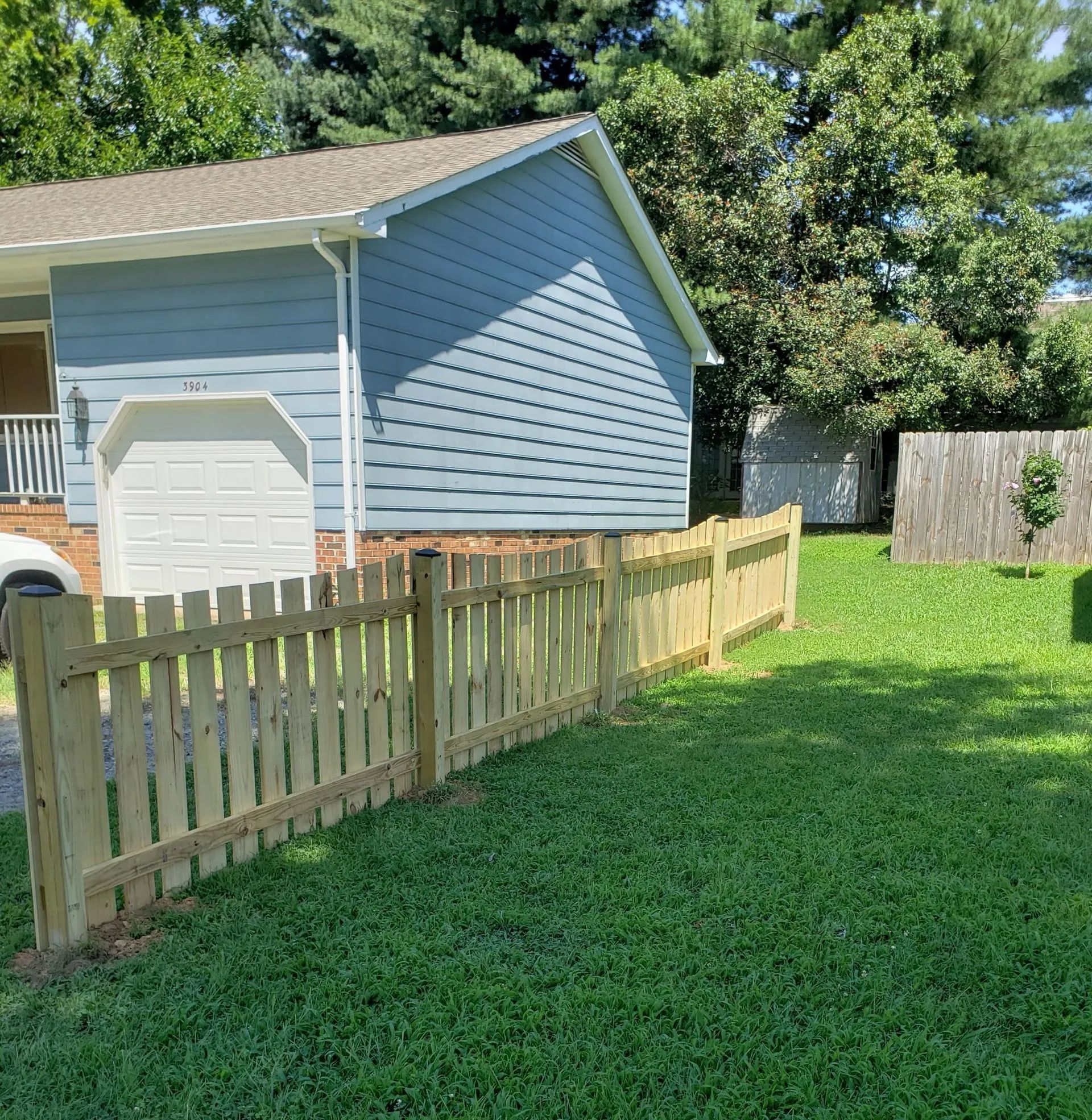
Wood fences are a timeless choice, offering warmth, natural beauty, and flexibility in design. Common types include picket fences, privacy fences, and split-rail fences. Picket fences, often painted white, convey charm and approachability, making them ideal for front yards and residential neighborhoods. Privacy fences, constructed from tall, closely spaced panels, signal a desire for seclusion, while split-rail fences communicate a rustic, country-style aesthetic. Popular wood options include cedar, redwood, and pressure-treated pine, each offering different durability, grain, and color characteristics.
- Benefits:- Wood fences are highly customizable in height, color, and style, allowing homeowners to tailor their fence to complement the property’s architecture. They also offer a balance between privacy and openness, depending on the design. With proper maintenance such as staining or sealing, wood fences can last decades while maintaining their natural appeal.
- Challenges and Maintenance:- While visually appealing, wood fences require regular upkeep to prevent rot, warping, and insect damage. Exposure to weather elements can degrade untreated wood, and staining or painting every few years is necessary to retain its aesthetic quality. Additionally, wood fencing may be more expensive over time due to ongoing maintenance costs compared to low-maintenance materials like vinyl or metal.
- Real-World Application:- In suburban communities, a white picket fence often symbolizes family-oriented properties and a welcoming environment. Conversely, a tall cedar privacy fence around a backyard communicates a focus on security and intimate outdoor living. Understanding these subtle signals can help property owners align fence choices with their lifestyle and goals.
2. Vinyl Fences: Low Maintenance and Modern Appeal
Design Options
Vinyl fencing has surged in popularity due to its durability, low maintenance, and clean, modern look. Vinyl fences are available in a wide range of styles, including privacy panels, picket designs, and ranch-style railings. They can mimic the appearance of wood without the same susceptibility to weather damage or insect infestation, making them an attractive alternative for homeowners seeking longevity and style.
Benefits
One of the primary advantages of vinyl fencing is minimal upkeep. Unlike wood, vinyl does not require painting or staining and is resistant to rot, cracking, and warping. Vinyl fences are also highly durable, often lasting 20 to 30 years with little effort. Additionally, they are environmentally friendly when made from recycled materials and can enhance property value through modern, cohesive aesthetics.
Challenges
The main limitation of vinyl fences is cost. Initial installation can be higher than traditional wood fencing, though long-term maintenance savings often offset this. Vinyl can also be less flexible in terms of custom design and may crack under extreme impact. Color options are generally pre-determined during manufacturing, which may limit personalization.
Practical Use
Vinyl fencing is particularly effective for modern residential communities and commercial properties where low maintenance is a priority. A crisp white vinyl picket fence signals elegance and tidiness, while a tall vinyl privacy fence demonstrates a practical approach to security and boundary definition without compromising aesthetic appeal.
3. Metal Fences: Strength, Security, and Style
- Common Types:- Metal fences, including wrought iron, aluminum, and steel, are prized for their strength, durability, and ornate possibilities. Wrought iron fences convey sophistication and tradition, often featuring intricate designs suitable for upscale homes. Aluminum fences offer a lightweight yet durable alternative, available in multiple colors and styles that can suit both residential and commercial properties. Steel fences prioritize security, making them ideal for industrial settings or properties requiring high protection.
- Advantages:- Metal fences provide excellent security while remaining visually appealing. Wrought iron fences, for instance, can be customized with decorative elements that enhance curb appeal. Aluminum and steel options require minimal maintenance compared to wood and can withstand harsh weather conditions without significant degradation. Metal fences also tend to have a long lifespan, offering a worthwhile investment for property owners seeking durability and prestige.
- Challenges:- Installation of metal fences can be more complex and costly due to the weight and structural requirements of the materials. Wrought iron, while visually striking, may rust if not properly maintained, necessitating periodic painting or coating. Steel fences designed purely for security may appear cold or industrial, potentially impacting the overall aesthetic of a residential property.
- Contextual Implications:- A wrought iron fence around a historic home conveys elegance, status, and permanence, signaling a commitment to preserving property value. Conversely, a high steel fence around a warehouse or commercial site emphasizes security and restricted access, projecting a professional and protective image. Understanding the visual language of metal fencing helps align material choice with property goals.
4. Chain-Link Fences: Practicality and Functionality
Design and Variations
Chain-link fences are a cost-effective and highly functional fencing solution. Typically made from galvanized steel or coated with vinyl, they are available in various heights and colors. While they lack the decorative appeal of wood or wrought iron, chain-link fences excel in practicality, often used for backyards, sports fields, commercial areas, and construction sites.
Benefits
The key advantages of chain-link fencing are affordability, durability, and visibility. They provide secure boundaries without obstructing views, which is ideal for surveillance or creating open, airy spaces. Chain-link fences are also quick to install, require minimal maintenance, and can be fitted with additional security features such as barbed wire or privacy slats.
Limitations
While functional, chain-link fences may not enhance a property’s visual appeal or convey a sense of luxury. They are prone to rust if not coated properly and may appear industrial or utilitarian, which can impact perceived property value in residential neighborhoods.
Application Insights
Chain-link fences are commonly seen around schools, parks, and industrial properties, where functionality outweighs decorative concerns. In residential settings, adding privacy slats or greenery can soften the appearance and create a balance between practicality and aesthetics. Choosing chain-link fencing signals a focus on durability, cost-effectiveness, and low-maintenance security.
5. Composite Fences: Sustainability Meets Style
- Material and Design:-
Composite fences combine recycled wood fibers and plastic to create a durable, low-maintenance option that mimics the appearance of natural wood. They are available in a variety of colors, textures, and panel designs, offering a modern alternative for environmentally conscious property owners. Composite fencing can achieve both traditional and contemporary aesthetics while resisting weathering and pests.
- Benefits:- Composite fences offer the visual appeal of wood without the ongoing maintenance challenges. They are resistant to rot, insects, and warping, making them ideal for properties in humid or wet climates. Additionally, composite materials are eco-friendly, reducing the demand for new lumber and minimizing environmental impact.
- Challenges:- The primary limitation of composite fencing is cost. Initial investment is higher than wood or vinyl, though the reduced maintenance requirements and long lifespan often justify the expense. Color fading may occur over time, and panels can be heavier to install, requiring professional assistance.
- Real-World Usage:- A composite fence around a modern suburban home signals environmental awareness and a commitment to sustainable living without sacrificing style. It communicates both aesthetic sophistication and practical foresight, appealing to buyers who value innovation and long-term durability.
Experienced Team Committed to Quality Fencing Services
Choosing the right type of fence for your property is more than a functional decision—it is a statement about style, security, and priorities. From traditional wood to modern vinyl, ornate metal, practical chain-link, innovative composite, and exotic bamboo, each option communicates unique messages to neighbors, visitors, and potential buyers. A fence not only enhances curb appeal but also defines the property’s personality, offering privacy, protection, and a sense of place. Understanding the implications of each fence type allows property owners to make strategic decisions that balance aesthetics, functionality, and long-term value.
Garrett Group Construction, located in Fredericksburg, VA, brings 25
years of expertise in providing durable, aesthetically pleasing
fencing solutions
that meet diverse property needs. Our team combines professional knowledge with hands-on experience to guide clients in selecting the ideal fence material, style, and design for their specific property. From installation to maintenance advice, we prioritize quality, precision, and customer satisfaction, ensuring every project enhances property value and reflects our client’s vision. Trust Garrett Group Construction
to deliver fencing solutions that blend functionality, security, and style seamlessly.