
Beyond Driveways: Smart Ways Concrete Can Transform Your Property
April 8, 2026
Concrete has long been associated with basic structural needs—primarily driveways, sidewalks, and foundations. However, modern construction and design trends reveal that this versatile material can do much more than merely provide a durable surface for vehicles. With advances in technology, finishes, and decorative options, concrete has emerged as a tool for both functionality and aesthetic transformation. Property owners and developers are increasingly exploring innovative ways to use concrete, elevating outdoor spaces, interior areas, and commercial sites in ways previously considered impossible. Understanding the full potential of concrete is now crucial for anyone looking to enhance the value, appeal, and usability of their property.
From stamped patios to polished interior floors, concrete offers limitless possibilities that combine durability with design sophistication. Beyond practicality, its adaptability makes it an ideal choice for sustainable projects, incorporating energy efficiency and low-maintenance solutions. Property transformations using concrete can impact not only aesthetics but also usability, property value, and long-term maintenance costs. This blog explores the smart ways concrete can redefine your property, offering insights into design strategies, real-world applications, and expert recommendations. Whether you are a homeowner, developer, or landscape designer, these strategies will help unlock concrete’s true potential beyond conventional uses.
Innovative Concrete Landscaping Solutions
- Decorative Patios and Walkways:-
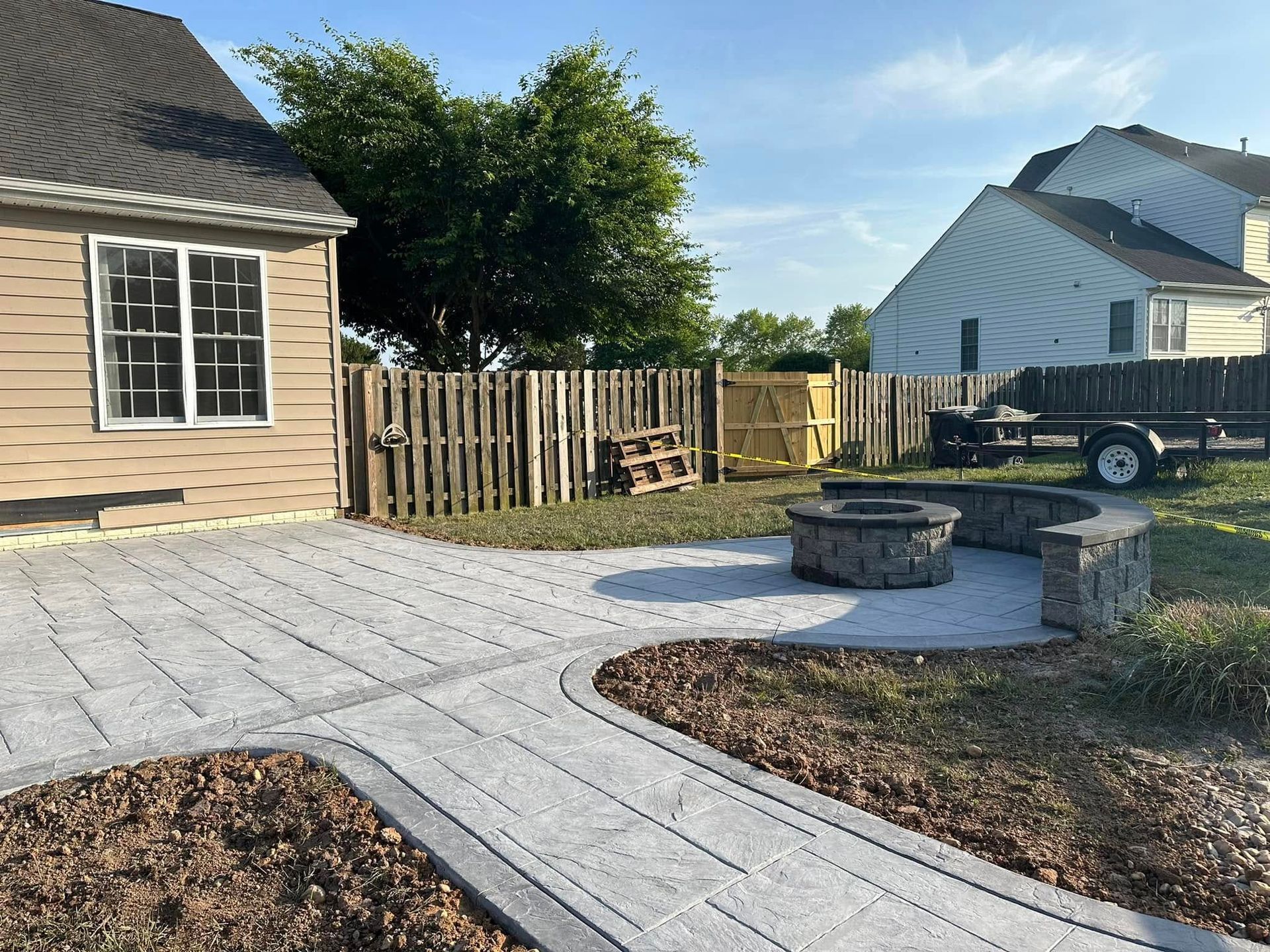
One of the most popular ways concrete can transform a property is through decorative patios and walkways. Unlike traditional paving stones, stamped and stained concrete provides a seamless surface that mimics natural materials such as slate, cobblestone, or brick. This approach reduces installation complexity while maintaining a high-end appearance. Additionally, decorative concrete allows for customization in color, texture, and pattern, making it easy to align with a property’s architectural style.
For homeowners with outdoor living spaces, a concrete patio can serve as the central hub for entertaining, dining, or relaxation. Incorporating features like built-in planters, integrated lighting, or fire pit surrounds can further elevate its visual and functional appeal. Walkways, on the other hand, can define property flow, guide guests, and improve safety with non-slip finishes. Concrete’s durability ensures that these pathways can withstand heavy foot traffic and extreme weather conditions, reducing long-term maintenance efforts.
- Retaining Walls and Raised Gardens:- Concrete is also ideal for constructing retaining walls and raised garden beds. Retaining walls not only provide structural support for sloped landscapes but also offer opportunities for creative landscaping designs. Using textured or colored concrete can turn functional walls into striking design elements, seamlessly blending with plants, shrubs, and trees. Raised garden beds made from concrete are particularly effective in urban properties, allowing efficient soil management, improved drainage, and better pest control.
Incorporating concrete in landscaping promotes sustainability. Durable surfaces reduce erosion, while permeable concrete options can improve water absorption, reducing runoff and supporting healthy plant growth. When designed thoughtfully, concrete landscaping elements can enhance property aesthetics, increase usable outdoor space, and provide long-term value that standard wood or stone installations may not achieve.
Concrete for Interior Elegance
Polished Concrete Floors
Beyond exterior applications, concrete has become a staple in modern interior design. Polished concrete floors, for instance, offer a sleek, contemporary look suitable for residential and commercial spaces. This finish reflects light effectively, making rooms feel brighter and more spacious. Polished concrete is also highly durable, resistant to scratches and stains, and requires minimal maintenance compared to traditional flooring options such as hardwood or tile.
Concrete Countertops and Fixtures
Concrete countertops are gaining popularity for kitchens, bathrooms, and commercial settings. Unlike natural stone, concrete can be molded to precise dimensions and incorporate design elements like integrated sinks, curved edges, or decorative inlays. The material’s ability to accept pigments and stains provides endless customization options, from subtle neutral tones to bold statement pieces.
Concrete fixtures, including sinks, bathtubs, and accent walls, create a cohesive and modern interior aesthetic. Proper sealing and maintenance are crucial to prevent cracking or staining, but when done correctly, concrete surfaces can remain visually striking for decades. These applications highlight concrete’s versatility, demonstrating that it can be both functional and artistic within a property’s interior spaces.
Sustainable and Smart Concrete Practices
- Eco-Friendly Concrete Solutions:- Sustainability is a critical consideration in contemporary property design, and concrete can play a significant role in eco-friendly construction. Using recycled materials, fly ash, or slag in concrete mixtures reduces reliance on virgin resources while maintaining strength and durability. These “green concrete” solutions also help minimize carbon emissions associated with traditional cement production.
Permeable concrete, designed to allow water to pass through, is another innovative approach for sustainable landscaping. This method reduces surface runoff, replenishes groundwater, and minimizes the risk of flooding in urban properties. Incorporating permeable concrete in driveways, walkways, and patios demonstrates that functional outdoor surfaces can also support environmental goals.
- Thermal Mass and Energy Efficiency:- Concrete’s high thermal mass makes it an effective tool for energy-efficient building design. By absorbing, storing, and gradually releasing heat, concrete can stabilize indoor temperatures, reducing heating and cooling demands. This property is particularly beneficial in climates with extreme temperature fluctuations, providing long-term energy savings and improved occupant comfort.
Smart property design combines concrete with insulation, reflective coatings, or radiant heating systems to maximize efficiency. By integrating sustainable practices into both interior and exterior concrete applications, property owners can achieve eco-conscious results without compromising aesthetics or durability.
Innovative Concrete in Commercial Spaces
Parking Lots and Walkways
Commercial properties benefit greatly from durable, low-maintenance concrete solutions. Parking lots, walkways, and loading areas require surfaces that can handle heavy traffic and varying weather conditions. Concrete provides a reliable foundation that maintains structural integrity for decades, reducing repair costs compared to asphalt or gravel.
Decorative concrete options can also enhance commercial curb appeal. Stamped or colored concrete in entryways, pedestrian zones, and plazas creates a professional and welcoming impression for clients and customers. Additionally, concrete surfaces can be designed with integrated accessibility features, ensuring compliance with ADA standards while maintaining a visually appealing environment.
Outdoor Seating and Courtyards
Restaurants, hotels, and office complexes can transform outdoor courtyards with concrete. Polished or textured concrete surfaces provide a low-maintenance foundation for seating areas, planters, and decorative elements. Concrete benches, tables, and planter surrounds can be custom-molded to complement the property’s branding and architectural style.
By combining durability with aesthetic flexibility, commercial spaces can create functional areas that attract customers, enhance employee experiences, and increase overall property value. Concrete’s adaptability allows for creative solutions that balance practicality, sustainability, and design appeal in high-traffic environments.
Concrete in Property Security and Safety
- Reinforced Surfaces:-
Concrete’s strength and resilience make it an ideal choice for security-focused applications. Reinforced concrete barriers, bollards, and perimeter walls can protect both residential and commercial properties from accidental or intentional impacts. Unlike metal or wood, concrete provides substantial resistance to extreme forces, ensuring long-term structural integrity.
- Non-Slip and Anti-Skid Finishes:- Safety is another critical benefit of modern concrete applications. Non-slip or textured finishes for driveways, ramps, and walkways reduce the risk of accidents in both residential and commercial settings. Concrete can be engineered with surface treatments, grit additives, or patterns that enhance traction while remaining visually appealing.
These safety-oriented applications highlight that concrete is not merely a decorative or functional material but also a strategic tool in property risk management. Incorporating reinforced and slip-resistant concrete surfaces ensures durability, protection, and peace of mind for property owners and users.
Maintenance, Durability, and Cost Considerations
Long-Term Durability
Concrete is renowned for its longevity, often lasting decades with minimal maintenance. Proper installation, sealing, and curing techniques are essential to maximize lifespan, particularly in exterior applications exposed to harsh weather or heavy loads. Concrete’s resistance to rot, insect damage, and fire further strengthens its appeal as a reliable property enhancement material.
Maintenance Best Practices
Routine cleaning, resealing, and inspection for cracks or surface damage are key maintenance practices. Decorative concrete may require periodic polishing or color restoration to maintain its aesthetic appeal. These steps are relatively simple compared to repairs or replacements often required with other materials, making concrete a cost-effective investment over time.
Cost Efficiency and Value Addition
While initial installation costs may be higher than traditional materials, the long-term benefits often outweigh upfront expenses. Concrete enhances property value through durability, aesthetic appeal, and functionality. By investing in high-quality concrete solutions, property owners secure a versatile, long-lasting, and low-maintenance asset that supports both practical needs and design ambitions.
Dependable Concrete Solutions Designed for Every Property
Concrete has evolved far beyond its conventional applications in driveways and foundations. Today, it serves as a multifunctional material that can enhance aesthetics, usability, sustainability, and safety across residential and commercial properties. From decorative patios and polished interior floors to permeable surfaces and reinforced barriers, concrete’s versatility allows property owners to rethink how they design and optimize their spaces. Its durability, low maintenance requirements, and adaptability make it an investment that delivers long-term value while supporting both design innovation and environmental considerations.
Garrett Group Construction, based in Fredericksburg, VA, leverages 25
years of experience to help property owners unlock the transformative potential of concrete. Our team specializes in designing and installing tailored
concrete solutions
that combine functionality, aesthetic appeal, and durability. Whether it’s for residential landscaping, commercial enhancements, or specialized interior projects, we provide expert guidance, professional installation, and high-quality materials to ensure exceptional results. By partnering with Garrett Group Construction, clients can confidently transform their properties using concrete as a strategic, value-driven solution.