
Stamped vs. Traditional Concrete: Durability, Cost, and Maintenance Compared
May 4, 2026
When it comes to choosing the ideal material for your outdoor or indoor concrete needs, stamped concrete and traditional concrete stand out as the two most popular options. Both provide unique benefits that can elevate the appearance and functionality of your property, but understanding the differences in terms of durability, cost, and maintenance is essential before making your decision. The key to choosing the right concrete solution for your project lies in balancing these factors, while also considering the aesthetic and practical goals you aim to achieve.
Stamped concrete, which involves impressing patterns or textures onto freshly poured concrete, has grown in popularity due to its versatility and ability to mimic natural stone, wood, or other premium materials. On the other hand, traditional concrete offers a more basic, functional option that is widely recognized for its straightforward application and longevity. While both materials serve similar purposes, how each stands up over time, the initial costs, and the effort required for upkeep can vary significantly. In this blog, we will explore these differences, offering you a comprehensive comparison between stamped and traditional concrete to help you make an informed decision for your next project.
Durability: Which Concrete Type Lasts Longer?
When it comes to durability, both stamped and traditional concrete can serve long-lasting purposes, but there are some critical differences to consider. Concrete, in general, is known for being one of the most durable construction materials available, offering impressive resilience to wear, weather, and heavy loads. However, the durability of these two options depends on how they are treated, installed, and maintained.
- Stamped Concrete: The Aesthetic Durability:-
Stamped concrete is often used in decorative applications such as driveways, patios, and walkways because of its ability to mimic high-end materials like slate, brick, or stone. While stamped concrete is durable, it can be more susceptible to surface cracking, especially if not properly sealed or maintained. The surface design is achieved through the use of stamps or molds that press patterns into the concrete. Over time, these designs can wear, especially in high-traffic areas or in climates with extreme weather fluctuations.
Additionally, the color that is added to the mix of stamped concrete can fade with exposure to sunlight and the elements. However, using high-quality sealer coatings can protect the finish, maintaining both its aesthetic and functional integrity. In most cases, if sealed correctly, stamped concrete can last for 25 years or more with minimal issues.
- Traditional Concrete: Built to Withstand Time:- Traditional concrete, by contrast, is less prone to aesthetic wear because it doesn’t include additional decorative elements like stamps or color treatments. This makes it less likely to show fading, but it can suffer from cracks, especially in areas where the concrete is exposed to constant pressure or shifting. Concrete expands and contracts with temperature changes, so extreme weather conditions can cause minor cracks, which may turn into larger problems if not addressed.
The key advantage of traditional concrete is its robustness in industrial and utility applications. It can withstand heavy loads, making it ideal for driveways, foundations, and even high-traffic roads. When poured and cured properly, traditional concrete has a longer lifespan, with many installations lasting well over 30 years with minimal maintenance.
Cost Considerations: Which Is More Affordable?
Cost plays a significant role in deciding between stamped and traditional concrete, as both materials offer different price points depending on the complexity of installation and the desired finish.
Stamped Concrete: Premium Aesthetic, Premium Cost
One of the most significant considerations when choosing stamped concrete is the price. While the base material is essentially the same as traditional concrete, the stamping process, along with coloring and sealing, adds to the overall cost. The labor involved in stamping concrete is more intensive than pouring traditional concrete, which drives up the price. Depending on the complexity of the design, stamped concrete can cost anywhere from $10 to $30 per square foot.
Additionally, the choice of design or pattern can affect the final price. Custom patterns or colors that mimic high-end materials like granite or slate will naturally cost more. If you’re looking for a luxurious, visually appealing surface, the added cost is often worth it. However, it’s essential to weigh the aesthetics against the investment, especially if you're on a budget.
Traditional Concrete: Affordable and Functional
On the other hand, traditional concrete is much more affordable, typically costing between $4 and $8 per square foot. The relatively lower cost makes it a practical option for larger areas like driveways, foundations, or floors where aesthetics aren’t as critical as function. Because the application process is straightforward and doesn’t require additional steps like stamping, coloring, or sealing, traditional concrete can be poured quickly and at a lower price.
If you're considering a more functional concrete surface and don’t mind sacrificing some visual appeal, traditional concrete is an excellent budget-friendly option. Additionally, if your project is large in scale, such as a driveway or foundation, the overall cost savings can be significant.
Maintenance: How Much Upkeep Do You Need?
Both stamped and traditional concrete require some level of maintenance to ensure long-lasting performance, but the effort involved in maintaining each varies.
- Stamped Concrete: Regular Sealing and Surface Care:- One of the most crucial maintenance tasks for stamped concrete is sealing. The decorative surface is vulnerable to wear and tear, especially in outdoor environments where it’s exposed to weather, sunlight, and traffic. Sealing the concrete every 2-3 years helps protect the surface from stains, fading, and cracking. Without a protective seal, the pattern and color can degrade, and the concrete can become more prone to damage.
In areas where freeze-thaw cycles are common, it’s essential to keep an eye out for cracks or chips. Since stamped concrete often involves patterns that are harder to repair, dealing with damage might require a full surface restoration, which can be costly and time-consuming. Additionally, cleaning stamped concrete should be done using pH-balanced products to avoid stripping away the sealer.
- Traditional Concrete: Low Maintenance, but Watch for Cracks:- Traditional concrete is simpler to maintain. While it may require occasional sealing to maintain its appearance, traditional concrete typically requires less upkeep overall. The most common maintenance task is dealing with cracks, which can develop over time due to pressure, weather, or ground movement. If you notice small cracks, it’s important to seal them promptly to prevent water from seeping in and causing further damage.
For driveways or walkways, regular cleaning with a pressure washer is usually sufficient to maintain the concrete’s function and appearance. Traditional concrete doesn’t require the same level of attention to detail as stamped concrete, making it a more practical choice for areas where maintenance is a concern.
Appearance and Customization: Which Offers More Flexibility?
In terms of aesthetics and customization, stamped concrete offers far more flexibility and variety than traditional concrete.
Stamped Concrete: Design Versatility at Its Best
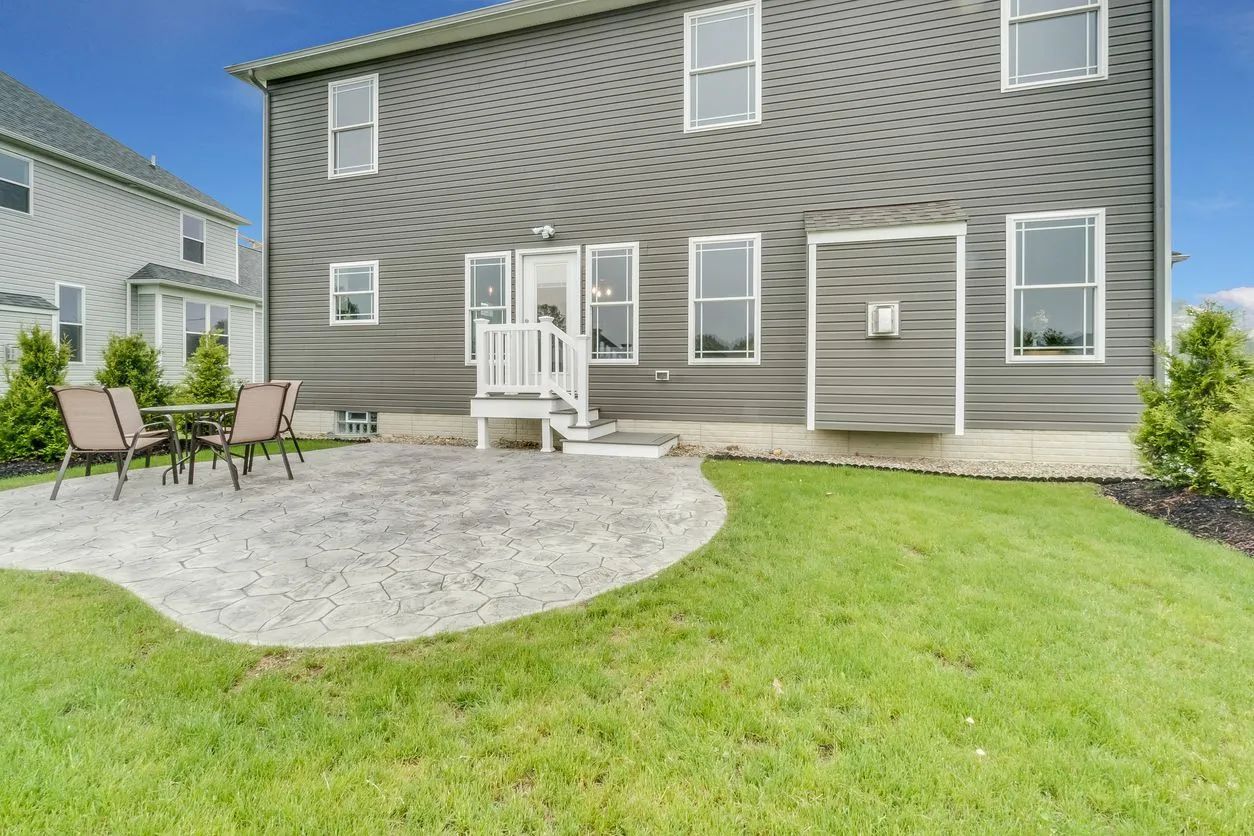
Stamped concrete provides homeowners with the opportunity to choose from a wide range of colors, textures, and patterns. Whether you want a surface that mimics cobblestones, slate, or even wood, stamped concrete can be customized to reflect your desired style. This makes it ideal for decorative outdoor spaces, such as patios, pool decks, or entryways, where appearance plays a key role.
For those looking to match their concrete surfaces with natural stone or wood features, stamped concrete offers an attractive alternative to more expensive materials. The aesthetic versatility is one of the primary reasons homeowners opt for stamped concrete despite the higher price tag.
Traditional Concrete: Functional, Yet Limited in Design
While traditional concrete lacks the design options of stamped concrete, it still offers clean and modern appearances that can work well in many situations. It’s available in a variety of finishes, including smooth, exposed aggregate, and broom finish, but it doesn’t offer the same level of customization. As a result, if you’re more focused on function and less on appearance, traditional concrete might be the way to go.
Trusted Expertise in Concrete Solutions from Garrett Group
When comparing stamped and traditional concrete, it’s essential to weigh the trade-offs in terms of durability, cost, and maintenance. Stamped concrete provides excellent aesthetic flexibility, making it perfect for decorative projects, but it requires regular maintenance and comes at a higher initial cost. Traditional concrete, on the other hand, offers robust durability and is more affordable, though it may not offer the same level of visual appeal. Ultimately, the right choice depends on your specific needs—whether you prioritize design or cost efficiency, longevity, or upkeep.
For over 25
years, Garrett Group Construction
has been a trusted name in
concrete solutions
in Fredericksburg, VA. With our wealth of experience, we provide expert installation and maintenance services for both stamped and traditional concrete, ensuring that each project we undertake not only meets but exceeds expectations. Our commitment to quality, combined with our knowledge of local conditions, makes us the go-to choice for concrete work in the area. Whether you're interested in enhancing the aesthetics of your outdoor space or simply need a reliable, functional concrete surface, we’re here to help make your vision a reality.