
Deck Materials Showdown: Wood vs. Composite — Which Is Right for Your Home?
February 4, 2026
A great deck does more than extend your living space. It becomes the backdrop for weekend cookouts, quiet mornings with coffee, and long conversations with friends and family. For many homeowners, investing in a deck is one of the most rewarding outdoor upgrades — not just for enjoyment, but also for property value and curb appeal. However, choosing the right deck material isn’t as simple as picking what looks good. The decision between wood and composite has long-term implications for maintenance, durability, cost, and overall performance.
Today’s construction and remodeling industry offers more options than ever before. Traditional wood decking continues to appeal to homeowners who value natural beauty and classic warmth. Composite decking, on the other hand, represents modern engineering — delivering weather resistance and reduced upkeep. Understanding how these materials differ helps homeowners avoid costly mistakes and make confident, informed choices. This comparison is designed to cut through marketing noise and provide practical, experience-backed insight into what actually works, what fails over time, and how to select the deck material that truly fits your home, lifestyle, and budget.
1. Understanding the Basics: What Sets Wood and Composite Apart?
- Natural Appeal vs. Engineered Innovation:-
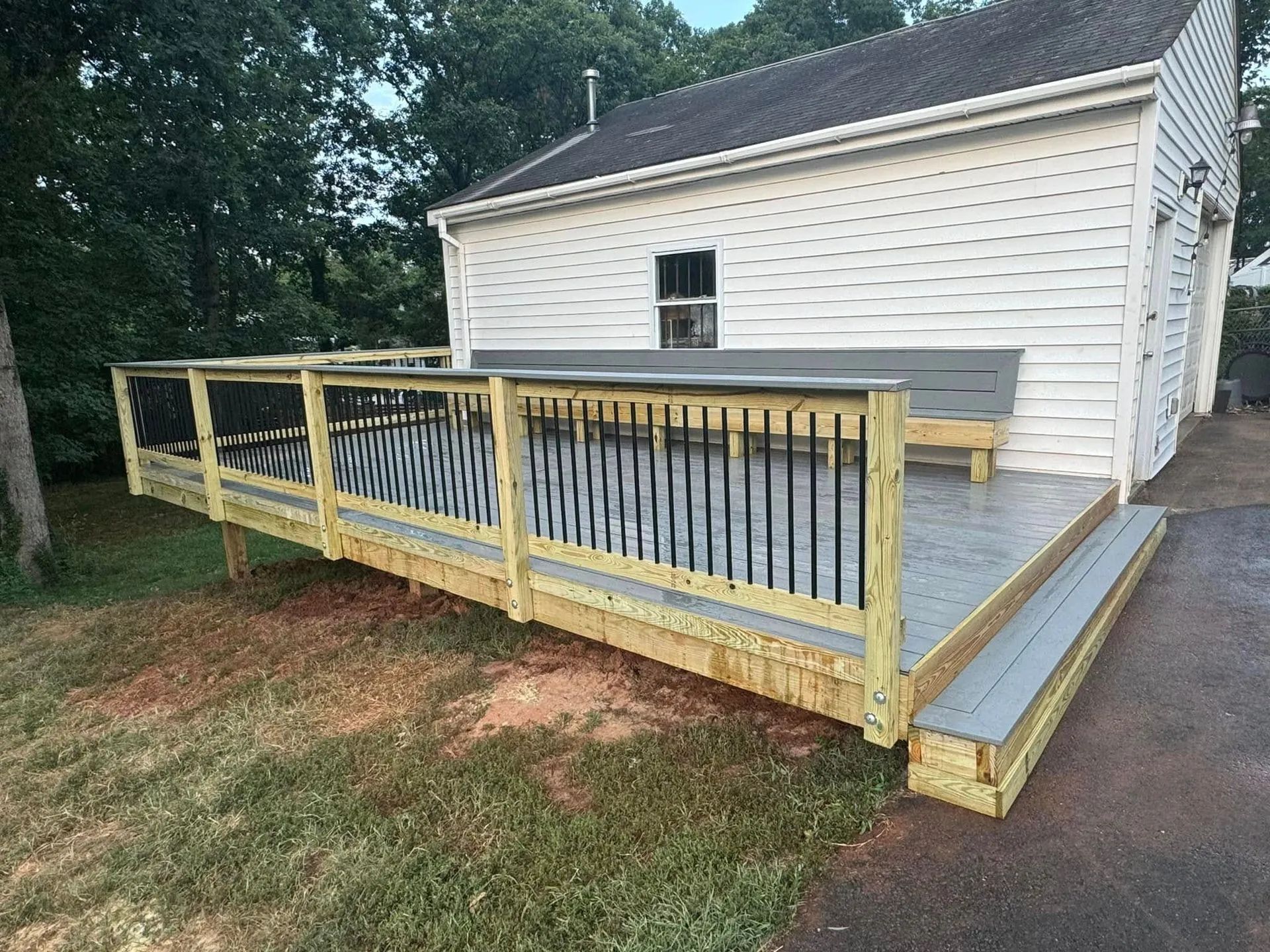
Wood decking is built from natural lumber such as cedar, redwood, or pressure-treated pine. Its biggest advantage is authenticity and the unmatched visual warmth it brings to any outdoor space. No manufactured product perfectly replicates the grain patterns, texture, and inviting warmth of real wood. For homeowners who appreciate a traditional backyard aesthetic, wood often feels timeless, welcoming, and deeply connected to nature, creating a classic ambiance that endures for decades.
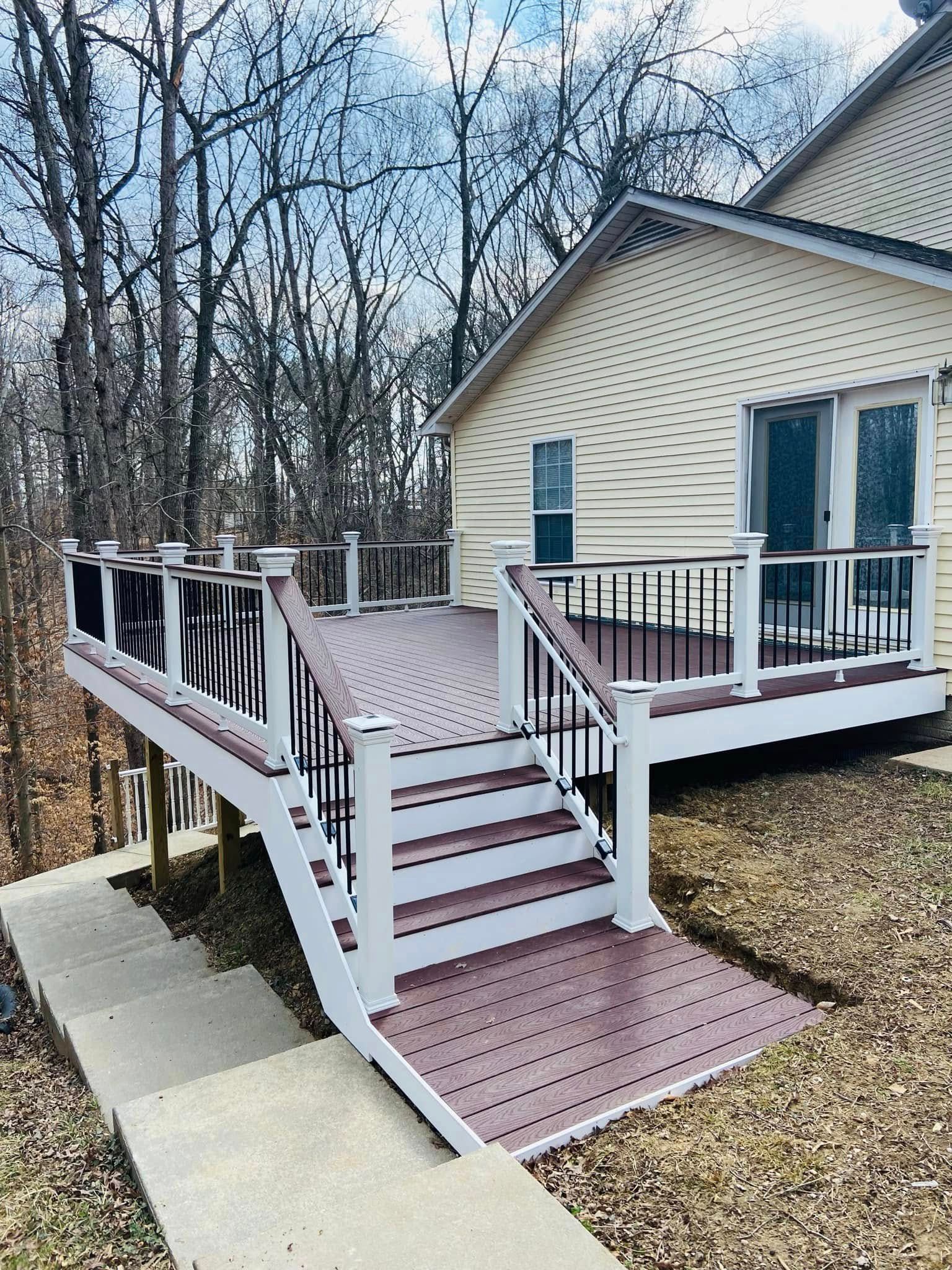
Composite decking, by contrast, is engineered from a precise mix of recycled plastics and wood fibers. It is designed specifically to resist rot, insects, and moisture damage over many years. While early composite products sometimes looked artificial and synthetic, modern lines feature highly convincing textures, natural-looking color variation, and durable surface finishes that stand up to fading, scratching, and everyday wear reliably.
- Performance Over Time:- Both materials perform well when properly installed — but their long-term behavior can differ significantly under real-world conditions. Wood naturally expands, contracts, and weathers over time, reacting to sunlight, moisture, and seasonal changes. Composite remains far more stable and predictable, especially in climates with fluctuating temperatures, heavy rainfall, or harsh winters. Understanding these subtle but important differences is the foundation for choosing wisely and ensuring your deck lasts as intended for many years.
2. Cost Considerations: Upfront Budget vs. Lifetime Investment
Initial Price Breakdown
Wood usually wins the initial price comparison, making it attractive for budget-conscious homeowners. Pressure-treated lumber remains one of the most cost-effective decking options, especially for standard backyard builds and straightforward projects. Cedar and redwood cost more upfront but still generally come in under most composite lines, offering premium aesthetic appeal without extreme expense.
Composite decking carries a higher upfront price due to its complex manufacturing process, advanced engineering, and durability features. Homeowners often experience initial sticker shock — until they evaluate long-term ownership costs and maintenance savings, which usually offset the higher starting investment over time.
Long-Term Value and Hidden Costs
Wood requires regular staining, sealing, sanding, and periodic repairs to maintain structural integrity and appearance. Boards may warp, split, or suffer water damage if neglected, and over 10–15 years, maintenance costs can easily surpass the original installation price significantly.
Composite decking, in contrast, requires minimal upkeep — typically just occasional cleaning with soap and water to remain attractive and functional. There is no refinishing, repainting, or replacing boards due to rot or weathering. When viewed across the life of the deck, composite often proves more economical and financially predictable for long-term planning.
The smart approach is to compare total ownership cost, not just initial material pricing, for an accurate financial perspective. This long-term view is where composite frequently outperforms wood in both cost-effectiveness and practicality.
3. Maintenance, Durability, and Weather Resistance
- How Each Material Handles the Elements:- Wood naturally breathes and absorbs moisture, which can become problematic in humid or wet climates. This absorption can lead to mold growth, mildew stains, or structural decay if not properly sealed and maintained. Sun exposure causes fading, drying, and sometimes cracking, requiring constant vigilance to maintain appearance and safety.
Composite decking, on the other hand, is highly resistant to moisture, insects, and decay due to its engineered design and synthetic components. The plastic content helps prevent water penetration, and most manufacturers design boards with protective caps to guard effectively against UV rays, staining, and surface scratches over time.
- Real-World Scenarios:- A family with children and pets may see heavy wear from dragging chairs, dropping toys, and constant foot traffic. Composite holds up well in these scenarios, maintaining its appearance and structural integrity, while wood may develop unsightly gouges, splinters, or stains if left untreated.
In wooded lots or lakeside properties where moisture exposure is constant, composite offers significant peace of mind. Natural wood, by comparison, demands ongoing vigilance, careful treatment, and routine maintenance to prevent deterioration.
The right decision often depends on how much time, effort, and commitment the homeowner is willing to invest in routine upkeep and preventive care.
4. Aesthetic Flexibility and Design Possibilities
Color, Texture, and Customization
Wood offers naturally beautiful organic tones that age gracefully into a rustic, weathered patina over time. Stains, oils, and finishes allow homeowners to adjust color, highlight grain, and achieve unique effects, but maintaining that aesthetic requires ongoing refinishing and dedication.
Composite decking provides a wide and impressive palette of colors ranging from soft gray coastal tones to deep, rich browns. Many lines include multi-tonal blends designed to mimic exotic hardwoods without the environmental impact, delivering sophisticated finishes that hold up against fading, scratching, and general wear over time.
Creative Layouts and Features
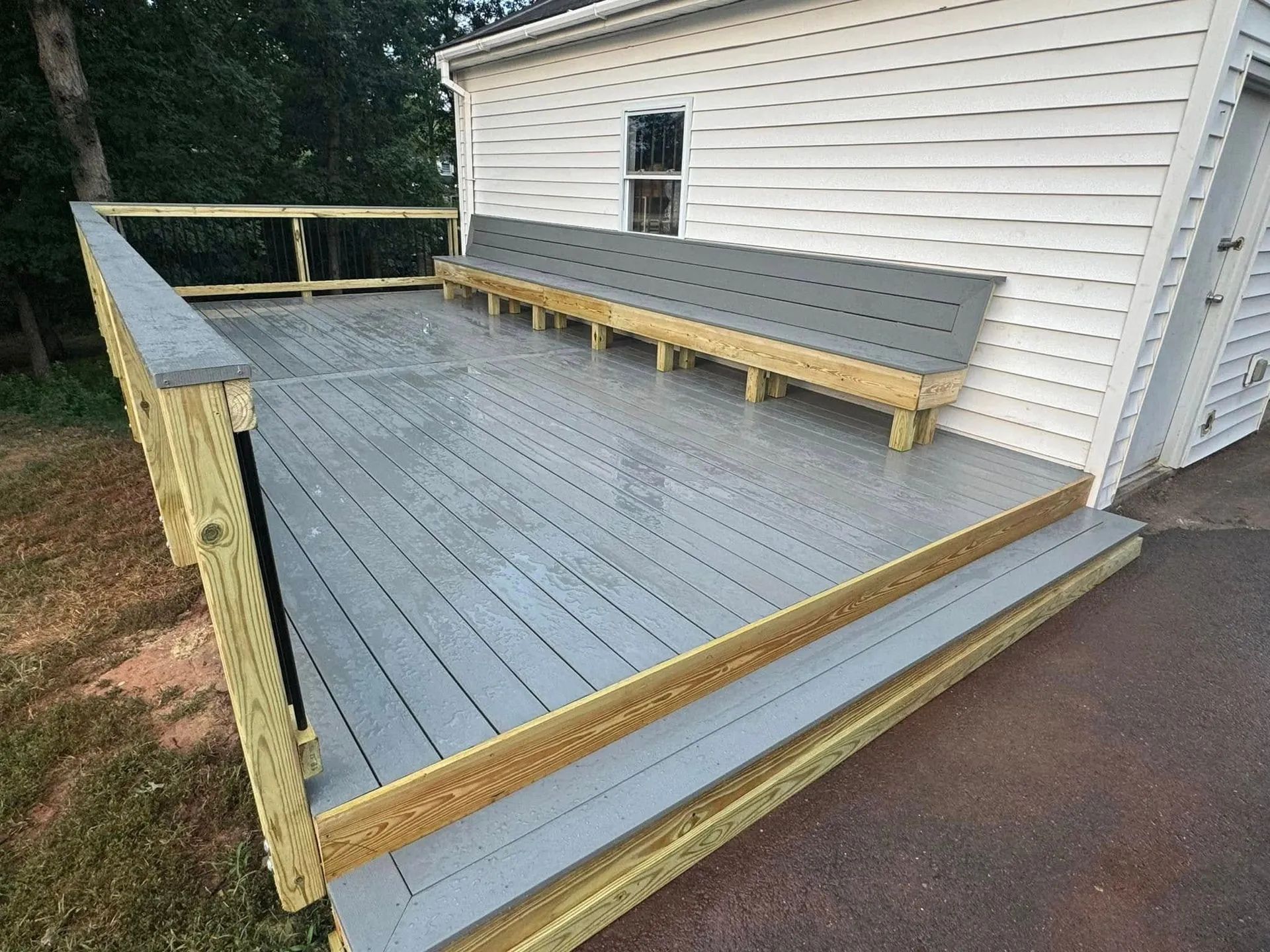
Both materials support imaginative layouts, picture-frame borders, built-in benches, and stair systems for a fully functional outdoor space. However, composite boards are often available in uniform sizes with matched accessories such as fascia, railing systems, and trim elements, which streamline both installation and long-term consistency.
Homeowners seeking clean, modern lines, coordinated finishes, and low-maintenance surfaces often gravitate toward composite decking. Those who value character, natural variation, and old-world charm tend to prefer wood for its timeless authenticity and natural beauty.
5. Environmental Impact and Sustainability
- Responsible Sourcing:-
Wood decking can be environmentally responsible when sourced from sustainably managed forests. Certifications such as FSC help ensure lumber is harvested ethically, reducing ecological impact. However, frequent replacements, stains, sealers, and refinishing materials add to the long-term environmental footprint of wood decking projects.
Composite decking often utilizes recycled plastics and reclaimed wood fibers, diverting waste from landfills and reducing reliance on virgin materials. Because it lasts longer and requires fewer resource-intensive treatments, composite can be considered an eco-friendly option when evaluated across its full lifespan.
- Longevity Matters:- The most sustainable deck is the one that does not need to be replaced prematurely. In many climates, composite wins this category due to its durability, resistance to decay, and stable performance. Still, responsibly sourced wood remains a legitimate, environmentally conscious choice when homeowners commit to proper care and long-term maintenance strategies.
6. Choosing What’s Right for Your Home
Lifestyle, Climate, and Expectations
There is no single “best” deck material for every homeowner. The right choice depends on how the space will be used, how much maintenance is acceptable, and the climate conditions surrounding the property.
If you value natural beauty, tactile warmth, and enjoy performing yearly maintenance projects, wood may be the ideal option for creating a classic, inviting outdoor space that ages gracefully.
If you want longevity, minimal upkeep, and predictable performance in various climates, composite typically delivers superior results and long-term peace of mind without intensive labor.
If your initial budget is tight but flexible later, wood provides a manageable entry point for building a functional, attractive deck without overspending.
If long-term cost efficiency and low maintenance are priorities, composite often becomes the smarter investment, balancing upfront expense with reduced upkeep over decades.
Working With Knowledgeable Deck Builders
The most reliable way to make a confident decision is to consult an experienced deck professional. They can evaluate soil conditions, sun exposure, drainage, and structural requirements to recommend the right material and design. Proper installation is equally as important as material selection — it is ultimately what determines how long your deck remains safe, attractive, and functional for daily enjoyment and long-term investment.
Expert Guidance From Garrett Group Construction Professionals
For homeowners ready to move from research to reality, partnering with a qualified builder makes all the difference. Garrett Group Construction has built a reputation in Fredericksburg, VA as a trusted resource for homeowners seeking thoughtfully designed, expertly constructed outdoor living spaces. With 25 years of hands-on experience, our team understands how climate, soil conditions, architecture, and long-term maintenance goals influence material selection. We provide honest guidance — not sales pressure — helping clients compare wood and composite based on real-world performance rather than trends.
From initial consultation through final inspection, we focus on structural integrity, craftsmanship, and clear communication. Every project is planned with precision, engineered for safety, and finished with attention to detail. Whether you envision a warm, traditional wood deck or a modern, low-maintenance composite design, we help transform your backyard into a functional extension of your home. Choosing the
right deck material
is important — choosing the right builder is essential. Garrett Group Construction
is committed to delivering outdoor spaces that look beautiful, last longer, and add real value to your property.