
Fence Posts Leaning After a Few Virginia Winters? Why Frost and Clay Push Them
September 27, 2026
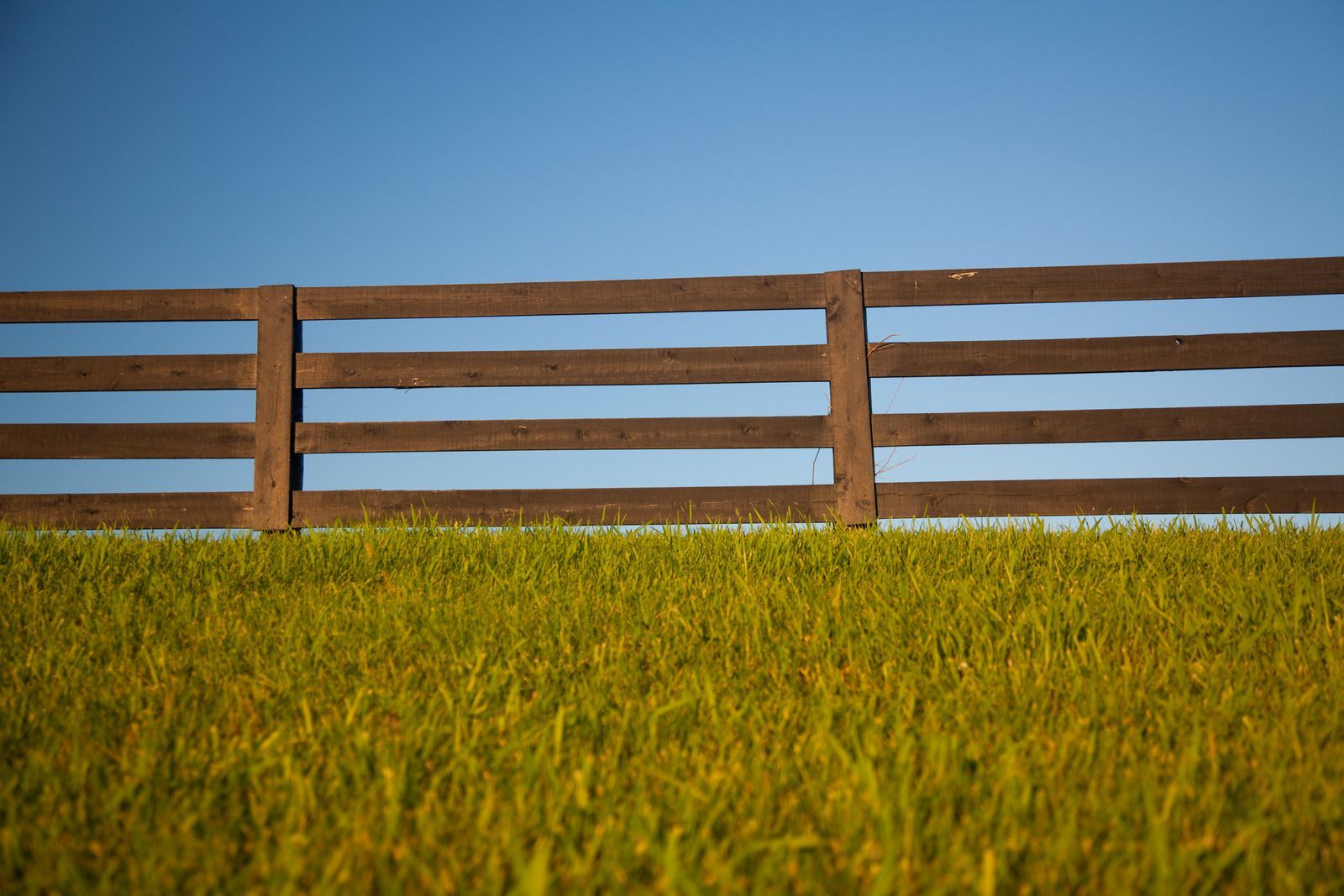
Quick Answer: Fence posts lean after a few winters because water in the soil around them freezes, expands, and lifts the post a fraction of an inch at a time, then the ground settles unevenly when it thaws. Clay soil makes this worse because it holds water close to the post instead of draining it away. Posts set too shallow, or set in a straight-sided hole without enough gravel or concrete below the frost line, take the brunt of it. The fence usually stays functional through the first lean or two, but each freeze-thaw cycle after that tends to make the tilt more pronounced.
You walk the property line in late February and notice it before you can even say why. The gate at the side yard is dragging against the latch post. Three sections down, a post that used to run plumb with its neighbors now leans a few degrees toward the driveway. By March, once the ground has fully thawed, a couple of the pickets near that post have opened up a gap wide enough for the dog to test.
Fence contractors in this part of the state get this call constantly every spring. It is rarely about bad materials or sloppy carpentry. It's a soil and weather problem that shows up on a schedule. A fence that looked fine in October can be visibly out of line by April, and the posts that move first are almost always the ones set in low spots, near downspouts, or in the heavier clay pockets that show up throughout Fredericksburg, Stafford, and Spotsylvania yards. Know what's happening below the surface, and you can tell the difference between a homeowner who resets one post and moves on, and one who ends up doing the same post again next spring.
What Frost Heave Actually Does to a Buried Post
Frost heave is not just "the ground getting hard." As temperatures drop, water in the soil migrates toward the freezing zone and forms layers of ice — sometimes called ice lenses — that grow and expand as more moisture is pulled in. That expansion pushes upward with real force, and anything embedded in that soil, including a fence post, gets lifted along with it.
The Lift Is Rarely Even
One side of a post footing can freeze and expand before the other, especially near a fence line that runs along a slope or catches more shade on one side. That uneven push is what starts the lean, not a single dramatic event but a slight rotation that repeats every cold snap.
Thawing Does More Damage Than Freezing
The freeze lifts a post. The thaw is what fails to put it back. As the ice lenses melt, they leave small voids in the soil around the post base. Water fills those voids, the surrounding ground turns soft and saturated, and the post settles back down unevenly — often a little off from where it started. Repeat that cycle for a few winters and the drift adds up. That's the real reason so many leaning-post calls land in March and April instead of January: the ground has fully thawed, and the new position of the post is obvious.
Posts Set Too Shallow Feel It First
A post that sits above the frost line for this region spends its entire footing depth inside the zone that freezes and thaws every winter. A post that reaches below that line anchors into soil that stays at a more stable temperature, so it has far less material actively pushing on it. Depth is the single biggest factor separating a fence line that shrugs off winter from one that visibly tilts by spring.
Why Clay Soil Makes the Problem Worse
Not every yard heaves the same amount. Soil type is the main reason why. Sandy or gravelly soil drains fast, so there's less water sitting around a post base to freeze and expand in the first place. Clay does almost the opposite.
Clay Holds Water Instead Of Shedding It
The fine particles pack tightly and resist drainage, so moisture lingers in the pore spaces around a post footing for days or weeks after a storm instead of moving on through. That trapped water is exactly what feeds ice lens formation once temperatures drop. Clay-heavy sections of a yard heave harder than the sandy patch ten feet away, and it's almost never obvious just by looking at the surface.
Beyond frost heave, clay does something sandy soil never does: it shrinks and swells with moisture content on its own, independent of temperature.
Expansive Clay Is A Second, Separate Force Acting On The Post
Soil surveys covering parts of this region flag pockets of medium and high expansive clay — the same classification that drives special footing requirements for house foundations in nearby counties. A post sitting in one of those pockets deals with two things pushing on it across the year: the seasonal freeze-thaw cycle, and the soil's own wet-season swelling and dry-season shrinking.
Saturated Clay Also Loses Its Grip Once It Thaws
Soft, wet clay holds a post far more loosely than firm, well-drained soil does. A gust of wind, or just the routine push of a gate swinging shut, is often enough to nudge an already-loosened post further out of plumb. Gate posts and corner posts take the most lateral load, so they're usually the first ones a homeowner notices leaning.
Tip: If you notice a section of your yard that stays visibly wetter or greener longer after rain than the rest of the property, treat that as a likely clay pocket and pay closer attention to any fence posts running through it — those are the ones worth checking first each spring.
How Depth, Footing Material, and Drainage Change the Outcome
The posts that hold up over multiple Virginia winters share a few things in common. None of it has anything to do with the fence material itself.
Depth Relative To The Frost Line Matters More Than Total Hole Size
The general guidance contractors work from is to set a post's footing below the frost depth for the area, with extra margin for taller fence sections or gate posts that carry more lateral load. A wide hole that doesn't go deep enough still leaves the base of the post sitting right inside the zone that freezes every winter — width doesn't fix a depth problem.
Hole shape matters too, and it's easy to get backward. A straight-sided or V-shaped hole gives frozen soil more surface area to grab onto as it expands, which is part of what generates the upward lift on the post in the first place.
A Footing Wider At The Bottom Than At The Top Resists That Pull
It gives the concrete or gravel base something to key into instead of something for frost to hook onto.
Then there's drainage, which changes how much water is even available to freeze near the post. A layer of gravel beneath the footing lets water drain away from the post base instead of pooling there all winter. Posts set close to downspouts, at the low point of a yard, or in compacted soil with nowhere for water to go are usually the first ones to lean — no matter how deep they were originally set.
Warning: A post that has already tilted more than a few degrees should not simply be pushed back into place and left alone. If the surrounding soil has washed out or turned to loose mud from repeated freeze-thaw cycles, resetting the post without addressing the footing underneath usually means it leans again within a season, and in some cases the post itself has cracked or rotted below grade where the movement was happening.
When a Lean Is a Quick Fix and When It Signals a Bigger Problem
A single post that has drifted a small amount, especially one standing in otherwise firm soil, can often be reset with fresh concrete and proper compaction and hold for years. The harder question is whether that post is an isolated case or an early warning for the rest of the line.
Multiple posts leaning along the same run is a different story. Especially if they're all tilting the same direction.
That pattern usually points to a soil or drainage condition affecting the whole section, not one bad footing. Grading that funnels water toward the fence line, a buried spring or seasonal wet-weather flow, or a stretch of yard sitting on heavier clay than the rest of the property can all produce it.
Resetting posts one at a time in that situation tends to be a short-term fix, because the condition that pushed the first post is still sitting there, waiting for the next one.
HOA guidelines in many neighborhoods across this region also come into play once repairs move beyond a single post, since some communities have specific requirements around fence height, materials, or the footprint of any post replacement work near a shared property line. Checking those requirements before starting repair work saves a second trip later.
Frequently Asked Questions
How can I tell if my leaning fence post is frost heave or just rot?
Frost heave shifts a solid post out of position. Rot shows soft, crumbling wood at the soil line. Press a screwdriver below grade: firm resistance means movement, easy give means decay. Many posts show both.
Why did my fence posts lean this year when they were fine last winter?
Frost heave adds up quietly. A post can survive several winters of unnoticed movement before the lean shows. A wet fall before a hard freeze, or a redirected downspout, pushes more water into the footing.
Does concrete or gravel backfill hold up better against frost heave in clay soil?
Both work when installed right, but fail differently. Concrete lifts as a unit if set above the frost line. Gravel drains better but needs proper layering. In clay, drainage beats mass, so many pair both.
Can I just push a leaning post back and add more concrete around it?
Sometimes, for a season or two, on a minor lean. But it doesn't fix why the post moved. If the footing was too shallow or poorly drained, those conditions remain and the post drifts again.
Are certain fence materials more resistant to frost heave and clay soil movement?
The above-ground material barely matters, since the problem starts at the footing. What matters is design: heavier posts, rated concrete, and correct depth resist movement better, independent of whether the fence is wood or vinyl.
Will fixing the drainage around my fence line prevent posts from leaning again?
Better drainage tackles one of the two main drivers, since less standing water means less to freeze. It won't offset a too-shallow footing or expansive clay's shrink-swell, but it meaningfully reduces how often posts move.
What a Shifting Fence Line Is Telling You
A leaning post is rarely a one-time event once frost heave and clay soil are working together underground. It's a pattern that repeats each spring until the depth, drainage, or footing design actually gets addressed. Whether one post drifts out of plumb or several tilt the same direction, the underlying cause tends to stay put. The posts that hold their line year after year are the ones set with local frost depth, soil type, and water flow in mind from the start.
Garrett Group Construction
has spent 25
years as a family- and veteran-owned contractor working on fence lines throughout Fredericksburg, VA. That experience shows up in the decisions that keep a post standing: checking footing depth against local frost conditions, correcting drainage where clay holds water against a post base, and rebuilding a footing rather than standing a post back up so it can lean again. Catching a shifting fence line early keeps one leaning post from becoming a full section replacement.