
Gate Sagging and Dragging on the Ground? The Quick Fix vs the Real One
October 20, 2026
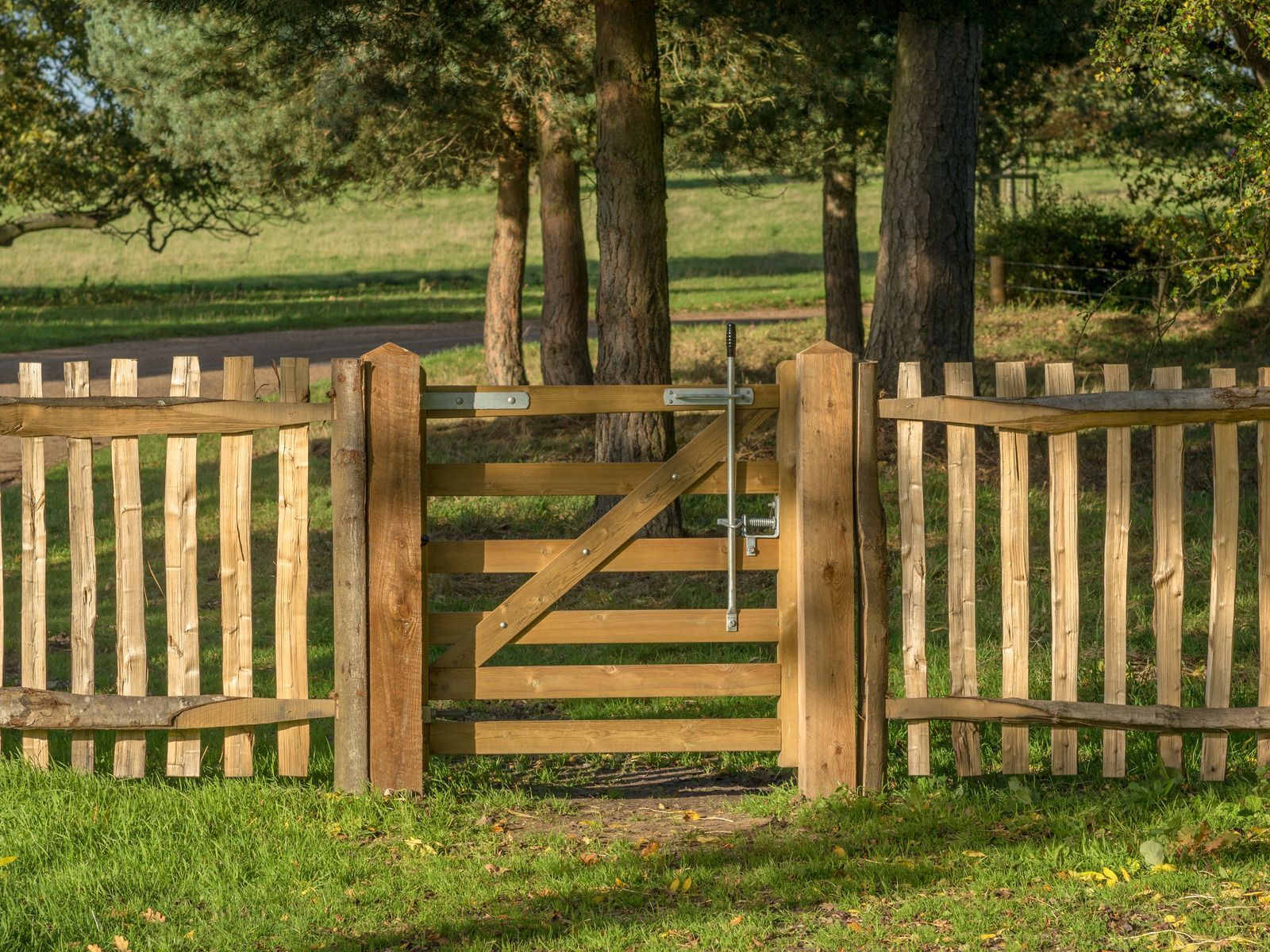
Quick Answer: A gate sags because one of three things moved: the post it hangs from, the frame of the gate itself, or the hardware that connects them. Tightening hinge screws or adding a corner brace can pull a lightly sagging gate back into line for a while. If the post leans, wiggles, or has rot at the soil line, any fix made only to the gate will fail again, because the gate is simply following a post that keeps moving. Check the post first, then the frame, then the hinges, and match the repair to what you find.
You pull the side gate open on a Saturday morning and hear it before you feel it: that dry scrape of the bottom rail dragging across the gravel or the edge of the walkway. You lift on the handle a little to clear the ground, the way you have been doing for months, and the latch still does not line up with the catch. The dog has figured out that the corner by the latch no longer closes all the way. The gate that swung freely when it was installed now takes a shoulder and a lift just to shut.
A dragging gate feels like a small annoyance until it stops latching, which is when it becomes a problem for pets, kids, and anyone who expects the yard to stay closed. It is also a problem that gets worse on its own. Every time the gate scrapes and gets forced, the hinges loosen a little more and the frame pulls a little further out of square.
There are quick fixes that really do work, and there are quick fixes that only postpone the real repair. Knowing which one you are looking at is the whole game, and it starts with figuring out what actually moved.
Why Gates Sag More Than the Fence Around Them
A gate is the only moving part in your fence line, and it hangs its full weight from a single post. The fence panels on either side are supported at both ends and share the load. A gate cantilevers its weight out from the hinge post, so all of that weight pulls on one spot, every single day, every time it swings.
That is why the gate often fails years before the rest of the fence. The hinge post carries a sideways pull that a standard line post never sees, and the gate frame carries a twisting load every time someone leans on it or swings it open too fast.
In Northern Virginia, weather adds to the problem. Humid summers swell wood, so a gate that fit neatly in April can be heavier and slightly larger by August. Freeze and thaw cycles in winter loosen the soil around the footing. Clay soil, common across Fredericksburg, Stafford, and Spotsylvania yards, holds water against the post base and then shrinks and swells with the seasons, which lets the hinge post drift a little at a time.
Most sagging gates are not a hinge problem. They look like one, because the hinge is where you see the gap open up. But the hinge is usually just where the movement shows. The real cause is typically somewhere else in the system.
Read the Gate Before You Touch It
Before you grab a drill, spend ten minutes figuring out which part moved. The symptoms tell you a lot.
Check The Hinge Post First
Close the gate and push the hinge post. If it rocks or leans, the post may be unstable. Check for rot by pressing a screwdriver into the wood near ground level.
Check The Frame For Racking
Open the gate and hold it level on sawhorses. Measure both diagonals corner to corner. Unequal measurements indicate the frame has shifted out of square, causing sagging.
Look At The Hardware
Check for loose hinge screws, stripped holes, bent hinge leaves, or rusty pins. These problems allow the latch end to drop, especially when heavy gates hang on undersized hinges.
Notice How The Gate Hangs When Open
Observe whether the gate hangs level when open but drags when closed. This difference may indicate ground movement or a shifted latch post rather than damage to the gate itself.
Tip: Photograph the gap between the gate and the latch post before you do anything. Taking a second photo a few weeks later tells you whether the movement has stopped or is still going. A gate that keeps moving after a repair is telling you something is still shifting underneath.
The Quick Fixes That Actually Hold
Some sagging gates really are a quick fix, and it is worth being honest about that. When the post is solid and plumb and the frame has only drifted a little, a few small repairs can bring a gate back for years.
Tighten And Rehang The Hardware
Tighten loose screws and repair stripped holes using wood glue and hardwood slivers before drilling fresh pilot holes. Longer screws reaching the post's solid core provide stronger support than short surface screws.
Square The Frame With A Corner Brace Or A Cable Kit
An anti-sag kit uses steel cables, corner plates, and a turnbuckle to pull the gate frame back into alignment. Alternatively, install a diagonal wooden brace secured firmly to the frame members.
Adjust The Latch And Catch
After correcting the gate's alignment, adjust the catch on the latch post so it meets the latch properly. This small adjustment is a normal final step after repairing gate sagging.
These fixes hold when the underlying support is sound. They are the right call for a gate that has dropped an inch or less, on a post that does not move.
When the Post Is the Real Problem
If the hinge post moves when you push it, nothing you do to the gate will last. You can brace the frame perfectly, and the gate will still sag again once the post leans a little further, because the post is carrying the pull of the whole gate with nothing to resist it.
A post that is solid wood but loose in the ground usually needs to be reset. That means removing the gate, digging out the old footing, and setting the post again in gravel and concrete, plumb and braced, and giving it time to cure before the gate goes back on. Footings that sit below the frost line and drain well hold their position through Virginia winters far better than shallow ones, which is the same reasoning that applies to the rest of your fence line.
A post with rot at the soil line is a different decision. Rot weakens the wood exactly where the pull is greatest, and a rotted post can look fine above ground right up until it fails. A rotted post should be replaced rather than stiffened.
Heavy gates deserve extra attention here. A wide double gate, a tall privacy gate, or a driveway gate puts far more pull on its post than a narrow walk gate does. For those, a larger post, a deeper footing, and often a gate frame built with a metal insert are part of doing it correctly rather than extras.
Warning: A fix that skips the post is a loan against next spring. The gate looks right for a season, then the post drifts again and you are back at the same scrape on the same walkway.
Gate Frame Damage and When to Rebuild
Sometimes the post is fine and the gate itself has simply worn out. A frame that has racked for years, with joints that have opened up, pickets pulling away from the rails, or boards that have warped from repeated soaking, does not always return to square.
Wood that has swollen and dried many times tends to crack at the joints. Once the corner joints have opened, a brace or cable only pulls the damage in a new direction. If you can wiggle the corner joints by hand, or see daylight in a joint that used to be tight, rebuilding the gate frame is a better path than trying to hold a failing one together.
Warped frames, broken welds on metal gates, and rails with rot at the ends also point toward rebuilding. A new frame built square, with proper corner support, hung on a plumb post with hinges rated for its weight, solves the problem permanently rather than hiding it.
In neighborhoods with an HOA, keep the look of the replacement consistent with the rest of the fence.
Many communities specify gate height, material, and finish, and a repair that changes the appearance of the gate can draw a letter of its own. Checking the guidelines before you rebuild saves a second round of work.
Frequently Asked Questions
Why is my gate dragging only on one side?
Dragging on the latch side usually means the gate has racked out of square or the hinge post has leaned toward the opening. Measuring the diagonals and testing the post for movement reveals which one is behind it.
Can I fix a sagging gate by just raising the latch side?
Raising the latch side can make the gate close briefly, but lifting alone does not hold. Unless the frame is squared and the post is solid, it settles right back down. A brace that locks the frame keeps it up.
Will an anti sag kit work on any gate?
It works well on most wood gates of moderate width with a solid post. It will not fix a leaning or rotted post, and very wide or heavy gates often need a rebuilt frame with a metal insert instead.
Why does my gate stick more in summer than in winter?
Humidity swells wood, so a gate grows slightly larger and heavier in a Virginia summer and rubs against the latch post or ground. If it sticks only in humid months and frees up when dry, swelling is likely the cause.
How can I tell if the gate post needs to be replaced instead of reset?
Check the wood at and just below the soil line. If a screwdriver pushes in easily or the wood crumbles, the post has rot and needs replacing. If the wood is firm and only loose, resetting it usually suffices.
Is a sagging gate a safety issue?
It can be. A gate that will not latch lets pets and small children out, and a gate dropping on a failing post can fall when someone swings it hard. A loose hinge post is worth addressing before it comes down.
Match the Repair to What Actually Moved
The difference between a quick fix and a real one comes down to what moved. When the post stands solid and the frame has only drifted slightly, tightening the hardware and adding a corner brace is a sensible repair that holds. When the post leans, rocks, or carries rot, or when the frame has lost its joints, that same quick fix only buys a season before the scrape returns and the work has to begin at the footing.
A few minutes spent testing the post, measuring the diagonals, and looking carefully over the hinges will point you toward the situation you are actually in. Gates throughout Fredericksburg, VA face humidity, heavy clay soil, and freeze and thaw every single year, so a repair built for those conditions lasts while one that ignores them comes back around. Garrett Group Construction
has spent 25
years reading what moved first before deciding where a
gate repair
truly needs to start.